If your provider has prescribed PT-141, or you’re weighing whether it’s right for you, dosing is one of the first things you’ll want to understand. How much to take, when to take it, and how the guidance differs for men and women are all questions worth answering up front.
This guide covers the typical PT-141 dosage, how to administer it safely, potential side effects to watch for, and how PT-141 fits alongside other sexual health treatments. It’s general education, not medical advice. Your provider will build a personalized plan based on your health history and goals.
What is PT-141?
PT-141, also known as bremelanotide, is a prescription synthetic peptide FDA-approved for treating hypoactive sexual desire disorder (HSDD) in premenopausal women. Some licensed healthcare professionals also prescribe it off-label for men with low sexual desire or erectile dysfunction.
Unlike PDE5 inhibitors such as Viagra (sildenafil) and Cialis (tadalafil), which work by improving blood flow to support penile erection, PT-141 acts on the brain’s melanocortin receptors to increase sexual arousal and desire from a neurological level.
A quick note on naming: PT-141 is sometimes confused with Melanotan II, a related peptide originally studied for skin tanning but not FDA-approved for any use. They are different compounds. PT-141 is prescribed in one formulation only: a subcutaneous injection.
PT-141 Dosage: How Much Should You Use?
The standard PT-141 dosage is 1.75 mg per dose, administered subcutaneously. It’s taken on demand, about 45 minutes to an hour before sexual activity, not on a daily schedule.
For premenopausal women with HSDD, the FDA-approved dosing rules are clear:
- No more than one dose in a 24-hour period
- No more than eight doses per month
- Taken as needed, before anticipated sexual activity
For men, PT-141 is prescribed off-label, meaning there’s no FDA-approved dosing guideline specific to men. Off-label dosing is individualized by the prescribing provider based on factors such as medical history, treatment response, and goals. If your provider prescribes PT-141, they’ll set a dosing plan tailored to you. Never adjust your dose on your own.
PT-141 Dosage Chart
This PT-141 dosage chart summarizes typical use. It’s a starting reference, not a substitute for your provider’s instructions.
| Patient Group | Dose | Frequency | Notes |
|---|---|---|---|
| Women with HSDD (FDA approved) | 1.75 mg | As needed, 45 to 60 minutes before sexual activity | No more than 1 dose per 24 hours or 8 doses per month |
| Men (off-label) | Typically starts at 1.75 mg | As prescribed by your provider | Dosing is individualized; follow your provider’s plan |
Your provider may adjust these guidelines based on how you respond to treatment and any medical conditions that factor into your care.
How to Administer PT-141
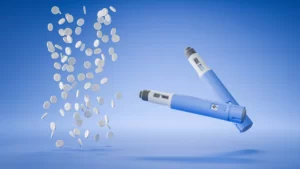
PT-141 is self-administered at home using a prefilled autoinjector or, in some compounded formulations, a syringe with a short needle. The goal is to deliver the dose just under the skin, typically in the abdomen or thigh.
Here’s how to use PT-141 safely:
- Prepare the injection site. Wash your hands. Clean the chosen area on your abdomen or thigh with an alcohol pad and let it dry.
- Rotate injection sites. Use a different spot each time to reduce tenderness or irritation.
- Inject as directed. Follow the autoinjector instructions provided with your prescription, or your provider’s guidance if you’re using a syringe.
- Store properly. Keep PT-141 at the temperature listed on the label, usually below 77°F(25°C). Do not freeze and keep it protected from light.
- Track your doses. Write down the date and time of each dose so you don’t exceed the monthly maximum.
You’ll work with your provider to learn the injection technique before you start. Most patients find the administration process straightforward after one or two doses.
PT-141 Side Effects
PT-141’s most common side effects are dose-related and typically mild. Nausea, the most frequently reported effect, tends to be more pronounced at higher doses, which is one reason the standard dose is fixed at 1.75 mg rather than scaled up.
Other common side effects include:
- Flushing of the face or upper body
- Headaches
- Injection site reactions such as redness or mild swelling
More serious side effects can include elevated blood pressure, dizziness, fatigue, and, in rare cases, darkening of the skin or gums (hyperpigmentation).PT-141 is contraindicated for people with uncontrolled high blood pressure or known cardiovascular disease. Contraindications are medical reasons a treatment should not be used, and your provider will review yours before prescribing. If you experience concerning symptoms after a dose, contact your healthcare provider promptly.
How PT-141 Fits With Other Sexual Health Treatments
PT-141 is one option within a guided, clinically supported sexual wellness plan. It’s often used alongside other treatments rather than replacing them, depending on what’s driving your symptoms.
- Versus PDE5 inhibitors (Viagra, Cialis). Viagra and Cialis improve blood flow to support an erection. PT-141 acts on brain pathways to support desire and arousal. Your provider may recommend one or the other, or in some cases both, depending on whether the issue is primarily physical, psychological, or a mix.
- Alongside testosterone therapy. For men whose low libido is tied to low testosterone, PT-141 may complement testosterone replacement therapy. TRT addresses hormone levels; PT-141 targets the desire pathway directly.
- Alongside topical options for women. Scream cream is a compounded topical used to enhance localized arousal and sensitivity. Some women use it together with PT-141 under provider guidance.
- Alongside other sexual performance treatments. Erectile dysfunction pills and premature ejaculation therapy address different aspects of sexual performance and may be used in combination with PT-141 as part of a broader plan.
Patients exploring vitality or peptide therapy beyond sexual health can also buy sermorelin online as a separate option. You can see the full list of therapies offered to explore everything available.
Is PT-141 Right for You?
PT-141 may be a fit if you’re experiencing low libido, HSDD, or sexual dysfunction that hasn’t fully responded to other treatments, especially when desire is the core concern rather than physical response alone.
That said, PT-141 isn’t right for everyone. It’s not recommended if you have uncontrolled high blood pressure, known cardiovascular disease, or certain other medical conditions. A consultation with a qualified provider is the best way to determine whether it’s appropriate for you and what dosing plan makes sense given your health history.
Many patients also find that working on sexual wellness with a partner leads to better outcomes, not just physically, but in terms of staying consistent and accountable. At Elevate My Care, shared accountability is built into how our programs are structured. You’ll have a licensed provider guiding your personalized plan, and the option to involve your partner in the process, so you’re not working through it alone.
Getting Started With PT-141
Used correctly and under clinical oversight, PT-141 can be a valuable part of a sustainable sexual wellness plan for both men and women. The results are clearest when dosing follows the guidelines above, and treatment is paired with ongoing provider support.
If you’re ready to explore whether PT-141 therapy is a good fit for you, contact Elevate My Care to start your plan with a licensed provider, or review the Elevate My Care FAQs for more on how the process works.